
What Exactly Is a Home Organization System and How Does It Work
Интересная_платформа_и_olimp_casino_скачать_для_л
July 17, 2026Test Post Created
July 17, 2026Simple Home Organization Systems That Actually Keep Your Space Tidy
Home organization systems are the secret to reclaiming your space and your sanity. These methods pair specific zones with consistent routines—like grouping similar items in labeled bins or using the “one in, one out” rule—to eliminate clutter for good. By creating a designated home for every object, you cut down on daily chaos and make clean-up feel effortless. The payoff is a home that practically runs itself, saving you time and stress every single day.
What Exactly Is a Home Organization System and How Does It Work
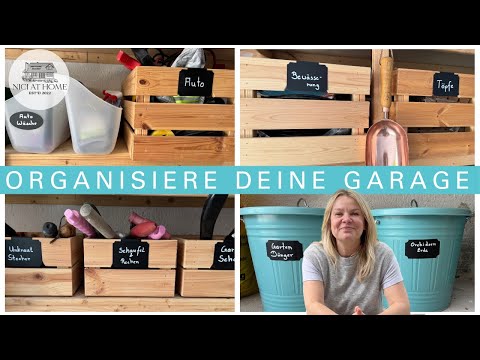
A home organization system is a structured methodology for categorizing and storing household explore garage solutions items to optimize accessibility and functionality. It works by first sorting possessions into distinct zones (like kitchen, closet, or office), then applying consistent storage solutions—such as labeled bins, drawer dividers, or vertical shelving—to each zone. The system relies on a “place for everything and everything in its place” rule, where every item has a designated home. A home organization system works through continuous maintenance, not a one-time declutter, as users must return items to their assigned spots after each use.
The core mechanism is the creation of logical workflows, such as placing cooking tools near the stovetop or charging stations near the workspace, reducing daily friction.
This process turns chaotic spaces into intuitive environments where retrieving and stowing items requires minimal effort.
Defining a structured approach to decluttering and arranging your space
A structured approach to decluttering and arranging your space starts with a clear, step-by-step plan rather than grabbing random boxes. First, commit to sorting by category, not location—tackle all books at once, not just one shelf. Then, follow a simple sequence:
- Purge decisively: keep only what you truly use or love, and immediately remove the rest from the area.
- Group like items together so you can see everything you own before deciding where it lives.
- Assign a home for every remaining item, prioritizing spots where you naturally use them.

This method prevents overwhelm and creates a logical flow, turning chaos into an organized, functional system you can maintain.
The core principles that make these frameworks effective for any room
Effective home organization frameworks succeed through three universal principles. First, zone-based categorization groups items by function—cooking tools near the stove, charging cables by the desk—eliminating cross-room chaos. Second, vertical storage maximizes unused wall space, keeping surfaces clear while making items visible. Third, the one-minute rule ensures any item can be retrieved or returned in under sixty seconds, preventing buildup. These principles adapt to any room because they target friction points: wasted time, lost items, and visual clutter. Q: Why do these core principles work across different rooms? Because they address how humans actually move and think—zoning matches our workflow habits, vertical storage leverages natural sightlines, and the one-minute rule respects our limited attention span.
Key Features to Look for in a Storage and Sorting Method
When evaluating a home organization system, the primary features in a storage and sorting method are adaptability and accessibility. The method must offer modular components, such as adjustable shelves or dividers, to accommodate items of varying sizes as your needs change. A clear, “zone-based” sorting strategy is critical; it groups similar objects by frequency of use rather than by color or size alone. Look for transparent or labeled containers that allow for immediate identification, reducing the friction of daily retrieval. The method should also enforce a “first-in, first-out” rotation for consumables to prevent waste. Finally, the system must respect vertical space and utilize dead corners, ensuring every cubic inch within your home is assigned a functional purpose.

Modular components that adapt to different room sizes and layouts
Modular components excel by scaling to fit uneven wall lengths and tight corners through adjustable track systems and stackable units. To adapt a system to your space, first measure irregular alcoves, then select interlocking bins or shelves that reconfigure without tools. Follow this precise sequence:
- Install base tracks or rails cut to match wall span.
- Snap on corner connectors for L-shaped or U-shaped layouts.
- Attach variable-depth drawers to utilize shallow or deep voids.
This approach ensures room-adaptive modular storage eliminates wasted dead space, whether in a narrow hallway or an expansive open-plan room.
Labeling and categorization tools that keep everything findable
For a home system that actually sticks, labeling and categorization tools that keep everything findable make the difference between a tidy room and a functional one. Label makers or erasable chalk labels let you tag bins instantly, while color-coded tags group items by category or person. Clear, uniform containers with front-facing labels mean you grab what you need without digging. A simple
- Use a handheld label printer for consistent, legible tags
- Employ color-coded bins or dot stickers to separate categories
- Apply clear, removable labels to see-through containers for quick identification
Durability and material choices for long-term daily use
For long-term daily use, prioritize high-density materials that resist warping and cracking under repeated load shifts. Solid wood, powder-coated steel, or thick polypropylene bins withstand decades of household wear, unlike particleboard or thin acrylic that degrade with humidity.
- Powder-coated steel shelving prevents rust in garages or basements
- Clear polypropylene bins allow visual inventory without compromising structural integrity
- Baltic birch plywood drawers support heavy items without sagging over years
Even premium materials fail if joints are not reinforced with cam locks or dowels. Avoid integrated handles that snap; choose molded grips or metal pulls for longevity. Every component—from bin edges to shelf brackets—must withstand daily friction and weight without degradation.
How to Choose the Right Setup for Your Living Space
Choosing the right home organization system begins with assessing your space’s physical dimensions and your daily traffic flow. Measure your area precisely, considering door swings and existing furniture, before selecting modular units like shelving or drawer inserts. Prioritize adaptability by opting for systems with adjustable components that can evolve with your storage needs. For high-use zones like the entryway, focus on systems that offer immediate access and visibility, such as open bins or pegboards.
A system that forces you to dismantle your setup to access items is a system that will fail.
Finally, match material and finish to your room’s humidity and light levels; wire and coated metal resist moisture better than raw wood in kitchens or bathrooms.
Assessing your clutter habits before picking a container system
Before buying bins or baskets, you must first audit your unique pattern of disarray. Do you toss mail on the counter or leave clothes draped on a chair? An organizer designed for a daily paper-piler will fail a clothes-dumper. Matching container style to your specific clutter triggers prevents wasted money and ignored systems. If you accumulate random desk knickknacks, a deep bin only hides the mess; a shallow, open tray forces a quick sort. Q: How do I know if a container will actually reduce my clutter? A: Track what you toss onto a surface for one week—the container must accommodate that exact item size and frequency of use, or it becomes another dumping ground.
Matching shelf, bin, and drawer styles to your home’s layout
Matching shelf, bin, and drawer styles to your home’s layout requires assessing both traffic flow and vertical space. In narrow hallways, opt for shallow, wall-mounted shelves that prevent obstruction, paired with slim, lidded bins for out-of-season items. Deep, pull-out drawers excel in dead corners under counters or stairs, while open cubbies work best in wide, low-traffic alcoves. For tall, unused vertical stretches, install adjustable shelving with uniform, stackable bins that fit snugly. The key is layout-specific storage integration, ensuring each style’s depth and access direction complements the room’s dimensions.
| Shelf Style | Best Layout Fit | Bin/Drawer Pairing |
|---|---|---|
| Open, shallow shelves | Narrow hallways, entryways | Thin, lidded bins for clutter |
| Pull-out drawers (deep) | Under-counter or stair corners | Divided drawer inserts |
| Adjustable cubbies | Wide, low-traffic walls | Uniform stackable bins |
Budget-friendly versus premium options for different needs
For heavy-use zones like a home office or pantry, premium options for different needs such as solid-wood drawer dividers or modular steel shelving justify their cost through durability and custom fit. Budget-friendly alternatives, like fabric bins or corrugated plastic boxes, work perfectly for seasonal decor or out-of-season clothing where daily wear is minimal. The key is matching investment to stress levels: a premium system prevents frustration in high-traffic areas, while budget options preserve funds for spaces needing only occasional access. Below is a direct comparison.
| Need | Budget-Friendly Pick | Premium Pick |
|---|---|---|
| Closet daily use | Canvas hanging shelves | Custom wood drawer grid |
| Garage storage | Stackable plastic totes | Heavy-gauge steel cabinets |
| Kids’ toy rotation | Decorative cardboard boxes | Low-profile acrylic bins |
Step-by-Step Guide to Installing Your Own Organizational Framework
I stood in my cluttered pantry, overwhelmed, until I broke the chaos into a manageable sequence. First, I cleared every shelf, sorting items into keep, donate, or toss piles. Next, I measured my vertical space and installed adjustable shelving brackets to create zones for baking, snacks, and canned goods. I then labeled clear bins for each category, fixing them with a label maker. This framework turned a daily scramble into a flow where everything has a home. Q: What’s the hardest step for most people? A: Letting go of duplicates and unused gadgets during the initial purge. Finally, I taped a simple “food inventory” list inside the door, updating it weekly to prevent overbuying. The room now breathes.
Sorting your items into keep, donate, and discard piles first
Before a single shelf is adjusted, begin by sorting your items into keep, donate, and discard piles to break the inertia of clutter. This triage method forces immediate, decisive action, preventing you from just shuffling mess around. A “keep” pile holds only essentials you love and use. “Donate” gathers functional items that no longer serve you but can help others, ensuring nothing usable hits a landfill. “Discard” is strictly for broken, worn-out, or truly useless objects. This physical separation creates a clear visual plan, making the installation of your framework a straightforward act of placing designated items into designated spaces.

Assigning a designated home for every category of belonging
Assigning a designated home for every category of belonging is the core of your organizational framework, transforming storage from random placement into a logical system. Each category—such as “linens,” “baking tools,” or “bills”—must have one precise, non-negotiable location where every related item always returns. Logical grouping by frequency of use dictates proximity: daily items within arm’s reach, seasonal ones higher or deeper. A clear sequence for this process includes:
- Auditing all belongings to define distinct categories.
- Choosing a container or shelf zone for each category.
- Labeling that home for instant visual recognition.
This practice eliminates decision fatigue by creating a single mental anchor for each object. When every category has a permanent home, you enforce a self-sustaining cycle of order with minimal ongoing effort.
Maintaining the system with simple daily reset habits
A daily reset habit prevents your new organizational framework from degrading into chaos. Dedicate five to ten minutes each evening to returning misplaced items to their designated homes. Clear all flat surfaces like counters and tables, ensuring they remain empty as per your system’s rules. Fluff pillows, straighten rugs, and quickly swipe any visible dust or crumbs. This consistent practice builds daily reset discipline, transforming maintenance from a chore into an automatic end-of-day ritual that preserves order without effort.
A simple five-minute evening reset—returning items home and clearing surfaces—preserves your entire organizational framework with minimal daily effort.
Common Questions Beginners Have About These Arrangement Methods
Beginners often ask whether to categorize items by function, frequency of use, or aesthetics within home organization systems. A key insight emerges:
Start by grouping everything by “where it is most needed,” not by type—keeping scissors in the kitchen, not a central office drawer, prevents cross-room trips.
Another common question is how to handle sentimental items; the practical answer is to designate a single, limited container for them, then stop. Many also wonder if vertical storage is always superior—it is for visibility, but deep shelves work better for rarely-used bulk goods. Finally, beginners frequently ask how to maintain the system without rigid rules; the solution is to adopt a “parking spot” rule where every category has a designated home, but you allow flexible drop-offs for one week after each reset.
Can I use one system for both a pantry and a closet?
Yes, a single modular system can serve both a pantry and a closet, but it requires careful adjustment of container sizes and vertical spacing. Pantries typically need deep, open bins for bulk dry goods and cans, while closets demand narrower, shorter dividers for folded clothes and shoe cubbies. The key is choosing a system with adjustable shelves and interchangeable bins, allowing you to reconfigure the layout as priorities shift. For example, swap deep pull-out baskets for pantries with shorter shelf risers when the unit transitions to storing linens or apparel. Dedicated pantries often benefit from narrower depth, whereas closets need wider hanging rods.
Q: Can I use one system for both a pantry and a closet without losing function?
A: Yes, if the system has adjustable shelf heights and a mix of shallow and deep containers. Pantries require about 12 inches of shelf depth for cans, while closets need 18–24 inches for hanging clothes, so choose a unit that allows you to swap these configurations as needed.
What do I do if I run out of space after setting everything up?
If you run out of space after setting everything up, creative vertical storage retrofits are your next step. First, assess if your system allows for additional stacking bins, shelf risers, or hanging rods to double vertical capacity. Next, evaluate underutilized zones like door backs or toe-kick areas for slim organizers. Finally, consolidate: purge duplicate tools or multi-function items that no longer serve your workflow. Following this sequence maximizes existing zones without purchasing new furniture.
- Install shelf risers or stacking containers to use unused vertical height.
- Add door-mounted racks or tension rods for slim storage.
- Remove any item with a clear duplicate or low-use ration.
How often should I reevaluate and adjust my storage approach?
A good rule of thumb is to reevaluate your storage approach every three to six months, but you should also adjust it whenever your daily routines shift. Seasonal household audits are practical for catching dead zones or overflow before clutter resurfaces. If you find yourself constantly moving items to access what you need, that signals an immediate need for adjustment. Q: How often should I reevaluate and adjust my storage approach? A: Conduct a quick audit every three months, and pivot your system whenever your access patterns change—such as after a new hobby or a change in family schedule.